
In this Article:
Try Kanbanchi now
Start your free trial


Digital transformation shapes how most modern organizations:
It refers to a holistic business model and examines how they operate with technology. In the last few years, as businesses have increased their adoption of
The way they use project management tools has changed accordingly. The evidence is compelling. Gartner reports that nearly 50 percent of digital transformation efforts fail to meet their intended objectives. The core issue is rarely technology itself. It is the inability to align strategy, people, processes, and execution.
Businesses have got to think about digital transformation laterally, as it goes beyond just upgrading tools. It reshapes how organizations:
It becomes the discipline that ensures these shifts happen realistically and sustainably, with a measurable impact. Central to all this is the project manager’s role.
Project managers navigating digital transformation must proactively address these challenges. They’re expected to blend insight with discipline to ensure that any new systems they use truly drive business outcomes rather than simply replacing existing tools.
So much change, at such a pace, means that project managers adopting digital transformation must take a flexible, collaborative, and data-driven approach.
They’ll need tools designed for:
This is where project management platforms specifically built for digital-first workflows, such as Kanbanchi inside Google Workspace or Microsoft 365, become essential. In our guide today, we’re going to look at how project managers can utilise digital transformation to get the very best from their teams, whatever the nature of their work.
Organizations are not transforming on a whim. They’re responding to mounting internal and external pressures that make digital innovation non-negotiable. What are the five main drivers for this?
These forces push organizations to adopt continuous transformation as a business capability. To keep up with this level of change, project teams require more adaptive practices, real-time visibility, and tools that support technology-based workflows.
Digital transformation is essential, but it’s far from easy. Even well-funded initiatives fall short when there’s little to no cohesiveness. The most common challenges include:
How can the project manager solve all this? That’s what we’ll consider next.
Digital transformation fundamentally reshapes project management. Traditional responsibilities included these:
They are all relevant, but they are no longer sufficient. This is where you can start, but the more experienced project manager must become the conduit between technology and business outcomes. They now have to align digital initiatives with broader strategic objectives and guide teams through uncertainty to ensure the transformation creates measurable value.
Even for beginners, it is now crucial to stay current with trends and know modern tools. If you don’t believe us, check out the Project Management Institute’s recent video.
It requires wizardry: A blend of strategic awareness, communication mastery, and an agile mindset. Modern organizations expect project managers to operate as strategic partners, cultural influencers, and drivers of continuous adaptation.
When project managers operate effectively in digital transformation, they ultimately help teams innovate with confidence. When they don’t, even well-designed initiatives fall apart.
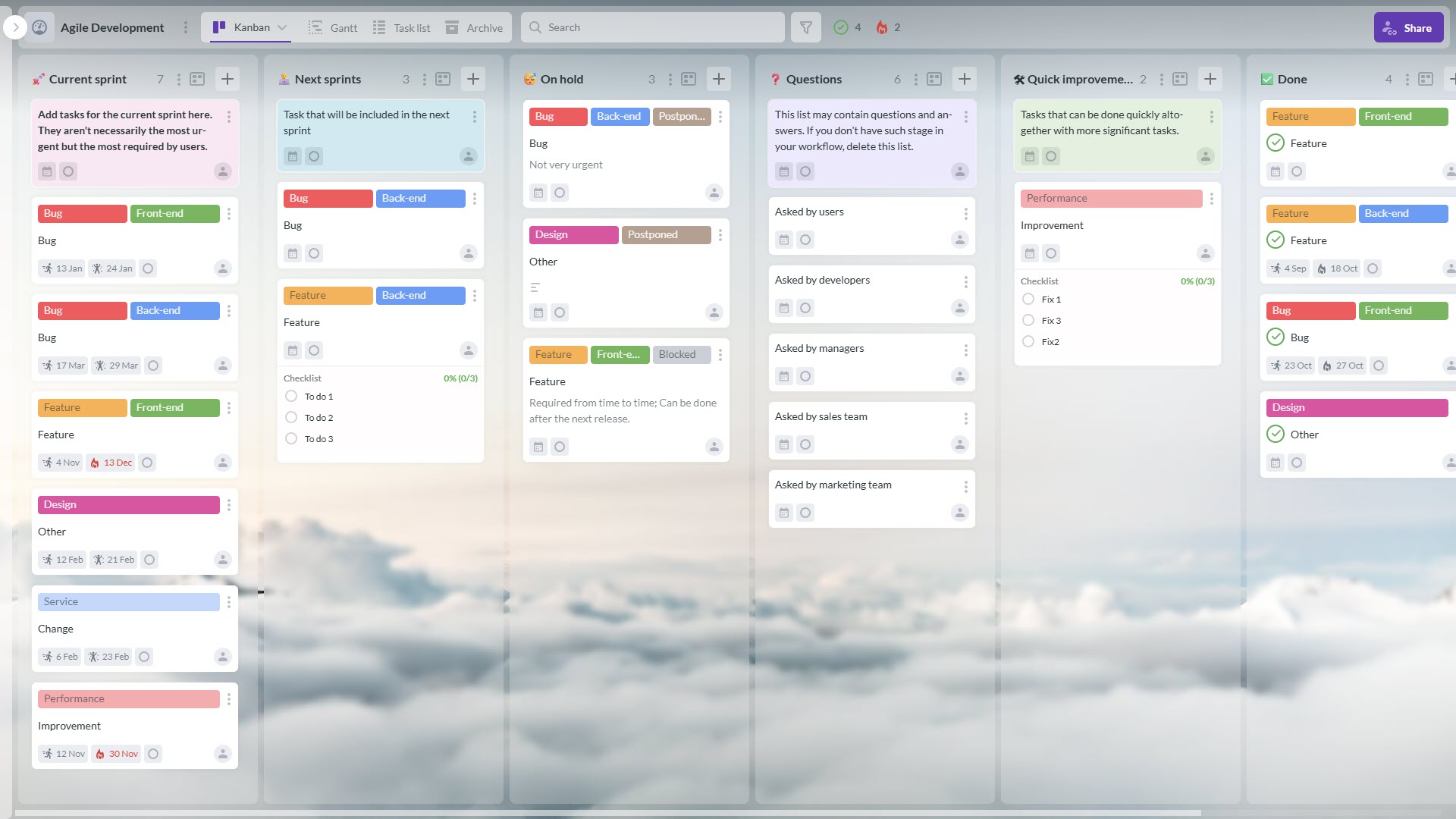
Flexible methodologies and digital-first tools play a decisive role here. Platforms like Kanbanchi enable project managers to centralize work, visualize workflow, coordinate fast-moving tasks, and keep all stakeholders aligned within a familiar ecosystem such as Google Workspace or Microsoft. They remove communication barriers and support a more adaptive project environment.
Project managers who embrace this expanded role become the catalysts in creating organizations that thrive.
The role of digital tools in all this is to amplify their capabilities, and that’s where a product like Kanbanchi can step in. Position within Google Workspace, for example, means there’s virtually no learning curve for users. With added benefits such as:
It means there’s much less chance of miscommunication and missed deadlines. The tools allow everyone from stakeholders through to customer service reps to follow progress at their own pace. Kanbanchi places collaboration and project tracking directly where teams already work.
SIGN-UP FOR A FREE KANBANCHI TRIAL NOW
There’s no doubt that digital transformation changes the rhythm of work. Traditional project management methods often follow a linear, predictable sequence. But these days, digital transformation projects simply don’t. They usually evolve rapidly; requirements shift, teams experiment, iterate, and adjust direction constantly. It creates friction when rigid methodologies are used.
We need to adopt agile methods, which offer a better fit. They support:
For digital transformation, where uncertainty is the norm, Agile allows teams to respond to new information without derailing the entire project. This is why agile project management digital transformation practices are becoming standard across industries.
Agile breaks work into smaller increments, enabling teams to:
By focusing on value delivery, Agile reduces risk and increases transparency. Teams learn faster, adjust faster, and deliver outcomes that better match business needs.
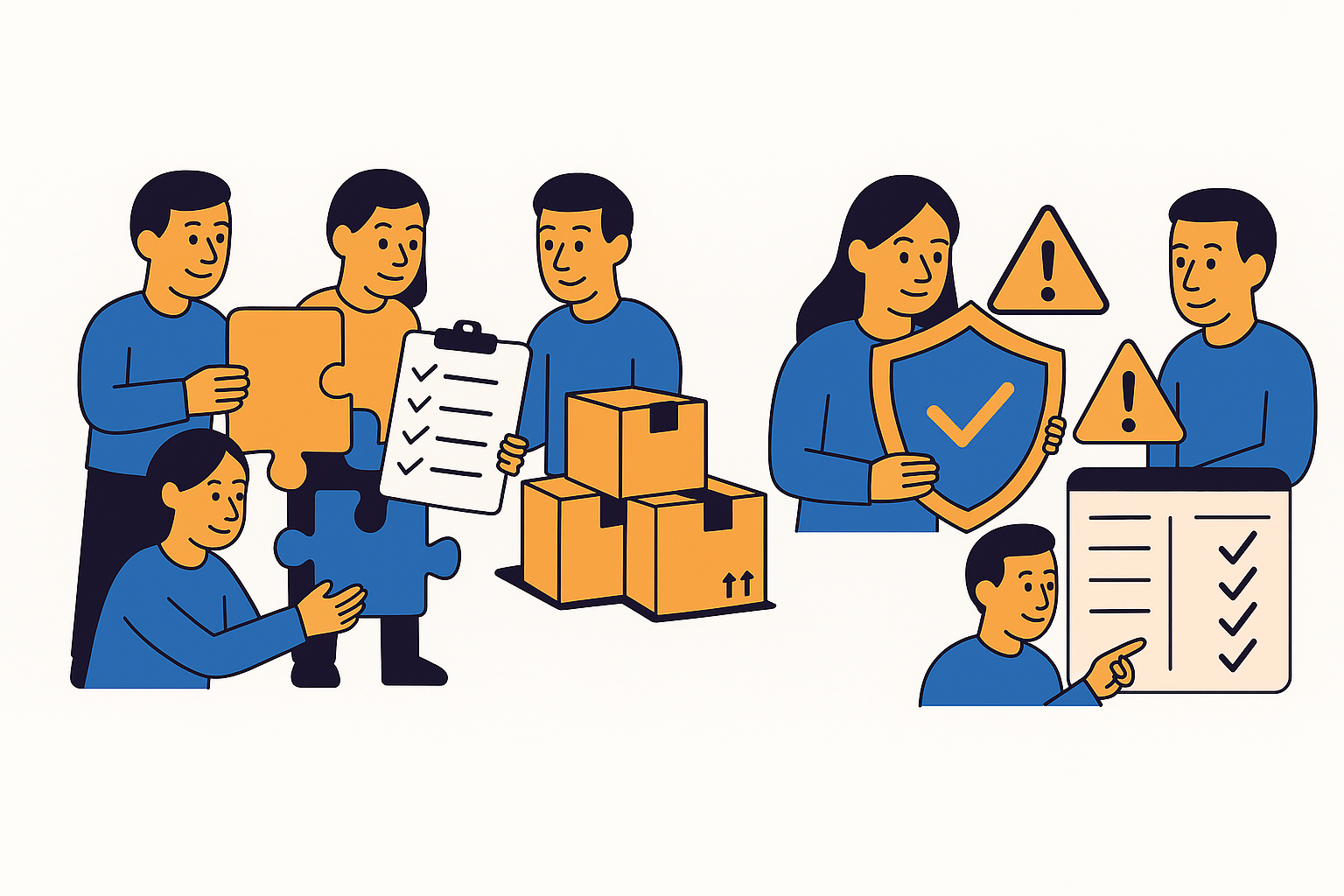
Digital transformation also amplifies how teams across the same company but in different departments can work harmoniously. Think about all the IT, marketing, operations, and product teams that often work simultaneously on interconnected systems!
Agile frameworks create a shared common language around
This alignment is especially important when teams are distributed across locations or time zones.
Another advantage is visibility. How does this work? Well, Agile practices rely on:
It helps project managers highlight progress, address challenges early, and maintain alignment across all their campaigns. In digital transformation environments where expectations are high and timelines compressed, visibility prevents fragmentation.
Many transformation projects blend both, using Scrum cycles alongside Kanban boards for real-time visibility. This shift also changes how teams understand success. Instead of measuring output, they measure outcomes. Instead of tracking activity, they track value. Agile provides the discipline needed to ensure that digital transformation is meaningful rather than mechanical.
If your organization already uses Google Workspace, Agile adoption becomes even more effective when paired with tools that extend collaboration natively. This is where Kanbanchi plays a crucial role. It removes context switching and puts Agile project management directly into the systems teams already rely on.
Agile also reduces the emotional resistance that is common during transformation. When changes happen in smaller increments, teams feel more control and less overwhelm. They gain confidence in the process. Leaders gain clarity. And project managers gain the ability to steer transformation with precision rather than force.
Last but not least, Agile supports innovation. Digital transformation depends on experimentation. Whether that’s implementing cloud services, redesigning customer journeys, or integrating automation, teams must be free to test hypotheses. Agile frameworks enable experimentation without sacrificing structure, allowing organizations to innovate faster and more responsibly.
For all these reasons, Agile project management and digital transformation now go hand in hand. They are complementary disciplines designed to help organizations navigate complexity and move forward with purpose.
Find more awesome blogs about Project Management here
Digital transformation projects tend to succeed when project managers combine strategic clarity with disciplined execution.
Even small misalignments can delay progress or disrupt adoption, so to maintain momentum, teams need a set of best practices that support alignment, adaptability, and continuous learning.
The following pillars represent the core practices that consistently drive strong outcomes in project management for digital transformation:
Define what success looks like, why transformation matters, and how progress will be measured across business, customer, and operational dimensions.
Trying to transform everything at once leads to overwhelm. Use cycles, pilots, or phased rollouts to test assumptions and validate value early.
Digital projects evolve rapidly. Agile frameworks help teams respond to new information, adjust priorities, and maintain focus on high-impact work.
Digital transformation touches every department. Bring IT, operations, marketing, product, and leadership into shared rituals and decision-making processes.
Project managers should keep stakeholders informed through dashboards, visual boards, and concise updates. Transparency reduces confusion and resistance.
Tools like Kanbanchi inside Google Workspace eliminate context switching, centralize data, and support real-time coordination.
Cultural change is the hardest part of transformation. Identify potential blockers, understand the concerns behind them, and communicate proactively.
Track progress with KPIs, analyze adoption rates, review productivity metrics, and use insights to refine plans as you go.
Avoid implementing tools for the sake of modernization. Ensure every digital investment supports a clear business outcome or customer improvement.
Digital transformation is never static. Regular retrospectives and optimization keep projects aligned with evolving priorities.
These best practices help organizations navigate complexity, reduce risk, and build long-term digital capabilities. When applied consistently, they create a transformation environment where teams innovate confidently, and leaders maintain clarity across every stage of the journey.
Continuous improvement sits at the heart of digital transformation. Unlike traditional projects with defined endpoints, transformation is ongoing. Technology evolves, customer expectations shift, and new opportunities emerge. This means project managers must build a culture in which iteration is the norm and learning is continuous.
A strong, continuous improvement culture includes:
When teams expect to refine processes rather than complete them, they become more resilient, adapt faster, innovate more confidently, and maintain momentum even when challenges arise. This mindset is essential for sustaining digital transformation over the long term.
Digital transformation requires the right technology stack to support:
Software tools are enablers of collaboration, not just repositories of information. When chosen well, they’ll:
Effective digital transformation project management depends on three categories of tools:
These tools need to work together; integrate with existing systems, reduce context switching, and support real-time updates. Digital transformation thrives when information moves quickly, and teams can access the correct data at the right moment.
Collaboration tools such as Google Workspace have a foundational role in this. They establish where outputs like words, conversations, and decisions are.
In digital transformation projects, communication is an ongoing process, and in remote or hybrid work environments, teams need integrated solutions to stay aligned.
Project management tools bring organization to this. Conventional project management software relies on linear projects, but digital transformation projects are more fluid. They have to support multiple project methodologies, including Kanban projects, Scrum projects, and hybrid projects, in addition to offering project visibility for cross-functional projects.
Analytics tools bring in the final piece of the puzzle. Transformation must be measurable if it is to have an impact. Team Leaders or project stakeholders need a dashboard to gauge progress, pinpoint where a project is stuck, and assess whether they are getting good value.
Combining all these categories will provide the basic structure for digital transformation implementation. They will help project managers achieve synchronized, quickly moving work streams with accuracy, transparency, and accountability.
However, where the benefit really lies is when these tools work in a seamless manner. When project management boards are linked with shared drives, when the communication tool is right next to the task list, or when access to information is not linked with a need to go to another platform, a level of excellence in working is achieved by teams.
9 Tips on Choosing the Right Project Management Software
This can become vital in teams working under a Google Workspace setup. Documents, sheets, emails, messages, and shared drives are already at the core of all operations. Having an additional project management system in an external setup can prove cumbersome. Having one integrated into this setup can prove to be much more efficient.
This is where Kanbanchi shines. As a tool built with Google Workspace in mind, it adds new functionality to this platform in a deliberately focused way. With this tool, teams have a single space to plan, track, and deliver their transformation projects without leaving their work platform.

The most effective digital transformation solutions are not merely functions but pathways that connect people, processes, and technology.
Digital transformation succeeds when teams collaborate fluidly, and Google Workspace has become one of the most widely used ecosystems for this purpose.
Offering a suite of interconnected tools that support communication, co-creation, and information sharing at scale.
Kanbanchi enhances this environment by embedding project management directly into the Workspace experience.
Because Kanbanchi operates inside Google Drive, teams can:
Kanbanchi’s native integration reduces cognitive load. Teams focus on execution instead of navigating between disjointed systems.

Key features that strengthen digital transformation project management include:
These capabilities make Kanbanchi a natural fit for organizations adopting Agile or hybrid project methodologies. It supports transparency, alignment, and adaptability, all critical elements in digital transformation.
By combining Google Workspace’s communication strengths with Kanbanchi’s project management structure, teams gain a unified environment optimized for modern, fast-moving projects.
This reduces risk, increases momentum, and gives project managers a powerful foundation for leading transformation with clarity and confidence.
Kanbanchi stands out as a powerful tool for digital transformation because it addresses the core challenges of
Its principles are simple yet transformative: they enable teams to visualize work, limit work in progress, manage flow, and continuously improve. Kanbanchi’s foundations align naturally with the needs of a company’s digital transformation model.
Projects often include many concurrent activities. For instance, system updates run alongside new platform rollouts, testing pipelines, customer experience redesigns, and internal capability-building. Kanban brings order to this environment by providing a clear, real-time representation of everything in motion.
Key Kanbanchi advantages are:
With Kanbanchi, visual boards sit inside Google Workspace, making it easy for teams to adopt Agile practices without learning a new ecosystem. Cards, automations, and real-time updates allow teams to coordinate transformation initiatives with greater clarity and less friction. In digital transformation, clarity is power. Kanbanchi delivers all this and more.
For a digital marketing agency project management platform, Kanbanchi’s integration capabilities are unmatched.
Here we’ll round off our guide with any remaining questions you might have about digital transformation and project management.
It refers to applying digital tools, Agile methods, and modern collaboration practices to manage complex transformation initiatives. It shifts project management from linear planning toward iterative delivery, cross-functional alignment, and real-time visibility.
Digital projects change frequently. Agile allows teams to respond quickly, test ideas early, and refine solutions based on feedback. It reduces risk, accelerates value delivery, and ensures that transformation efforts stay aligned with business needs.
Kanbanchi integrates seamlessly with Google Workspace, providing Kanban boards, Gantt charts, Time Tracker, automations, and collaboration tools inside one platform. This reduces context switching and keeps teams aligned throughout complex transformation efforts.
Common challenges include resistance to change, lack of strategic clarity, siloed communication, legacy systems, and shifting priorities. Effective project management, communication, and tool integration help mitigate these issues.
By setting a clear vision, using Agile or hybrid methodologies, strengthening cross-functional alignment, leveraging integrated tools, and fostering continuous improvement. Strong leadership and transparent communication are essential for long-term success.

In this Article:
Start using Kanbanchi now
Start your free trial