
In this Article:
Try Kanbanchi now
Start your free trial

Editor’s Note: When I originally published this article in 2022, it received massive traffic from teams looking to organize their work. Since then, Google project management apps have received many enhancements to their native apps, and there have been many exciting changes and new features added at Kanbanchi as well. Because the landscape has evolved so much, I decided to update this guide periodically, so here’s the 2026 update. I aim to update it regularly so you always have the most current information!
Project management is a tough job. There are always deadlines and responsibilities that need to be fulfilled, so keeping track of everything can be overwhelming. If you’re the person overseeing your company’s project efforts, you need to know that everything is on track and that no one is overwhelmed with too many tasks.
Google project management apps can help you take care of a lot of these tasks and ensure that the major focus areas of your projects are being met.
Getting the right app to handle project management is absolutely essential. If you want more control over your projects and teams, better time reporting, more accountability, and progress visibility, then you need a project management system that is aligned with your business. These apps are here to help you stay on track and make sure your projects are done right.
Read all blogs related to Google Workspace here
When it comes to communication, having a project management app to share tasks, files, and conversations can make a big difference. All your team members are always on the same page! Google project management apps are also great for team collaboration. This has a lot of benefits, such as:
With a proper Google project management app, you have the ability to keep track of your projects’ tasks and deadlines. The best part is that you can check the status of your tasks in real-time. What’s even better is that you can also connect with colleagues to discuss issues or exchange ideas as well. Using a Google project management app lets you see how your project is progressing efficiently.
This can be tricky when you’re trying to decide which one to use for your business. Different project management software systems will have different features and workflows. If you are deciding which project management software to choose for your organization, the best way to determine which system is right for you is to understand exactly what each one offers and to compare their features side by side.
When you use Google Workspace in a project management context, you’re actually using several different apps that each provide something useful. Here is a look at the best Google project management apps you need to handle different aspects of your workflow:
Google Sheets is a spreadsheet program in Google Workspace, which lets you build project schedules for your business. It’s an app that lets people create their work on a spreadsheet and share their progress with the other members of their team. Google Sheets is a widely used cloud-based spreadsheet app with all the tools you need to create spreadsheets and more. Collate data, write reports, make visualizations, and share information, all in a single place.
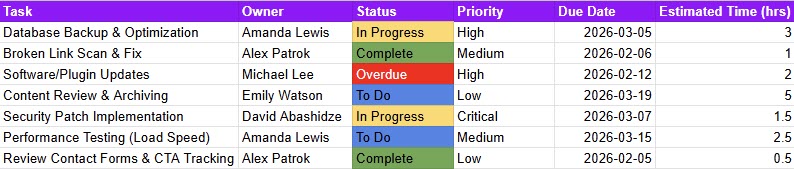
Teams can create task lists or timelines in Google Sheets to monitor project progress. It’s a very simple, but collaborative format.
With Google Sheets, you can create, edit, and collaborate wherever you are. Whether you’re a freelancer working on a project with a client or a team in an office communicating your progress, this free Google app ensures that you can easily access and modify your spreadsheets from your compatible phone or tablet. Share and collaborate with others by editing files simultaneously. You can also share links to your files and leave comments. While it might lack automated notifications or an overall Gantt view without add-ons, it’s an incredible starting point.
Google Calendar is a time-management and scheduling calendar service. Easily schedule meetings and events with others. Create and share calendars so your team’s schedule is always aligned and up-to-date. Keep track of people, places, groups, events, and projects. Also, provide or request instant access to schedule availability by sharing calendars in Google Calendar. Create custom events and reminders that you want to see in your calendar, so you can remember the important things.
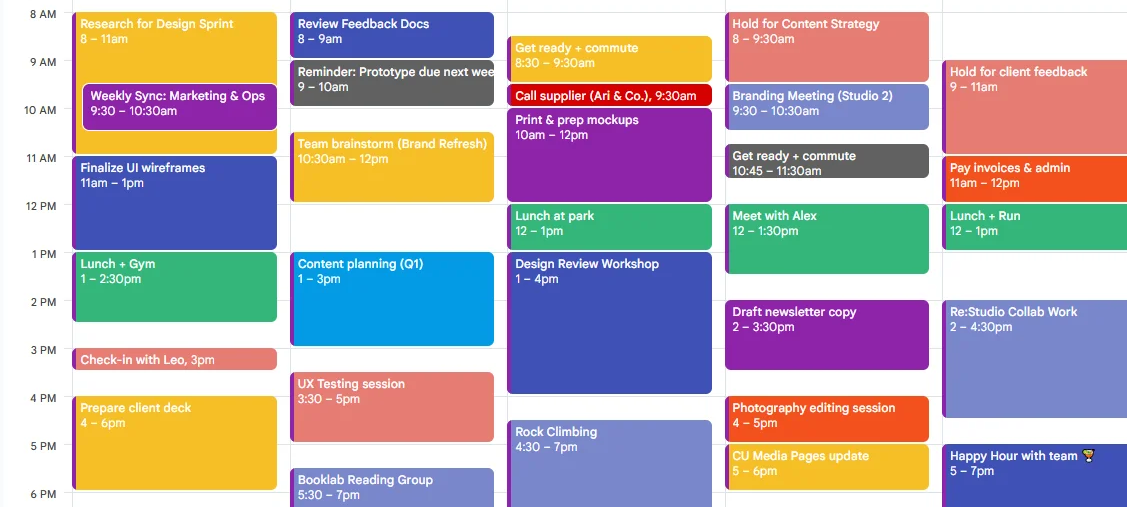
Google Calendar perfectly visualizes your team’s schedule and deadlines when used alongside your other Google project management apps.
You can use Google Calendar to keep track of all your projects, too. Get notified about upcoming tasks, add a reminder so you don’t forget, and see different time zones. Use Google Calendar on your phone or computer. When you use Google Calendar, you’re not just scheduling. You’re making an impact. See how companies like yours are using Google Calendar to help teams stay in sync and get more done.
Google Docs is the ideal place to store your meeting minutes, scope outlines, reports, and other project documentation in one place. While Docs can be updated easily and allow for real-time collaboration, getting an overview of the current workflow isn’t really this app’s strong point. It is a great foundational tool for keeping relevant information easily accessible before linking it to an overall project timeline.
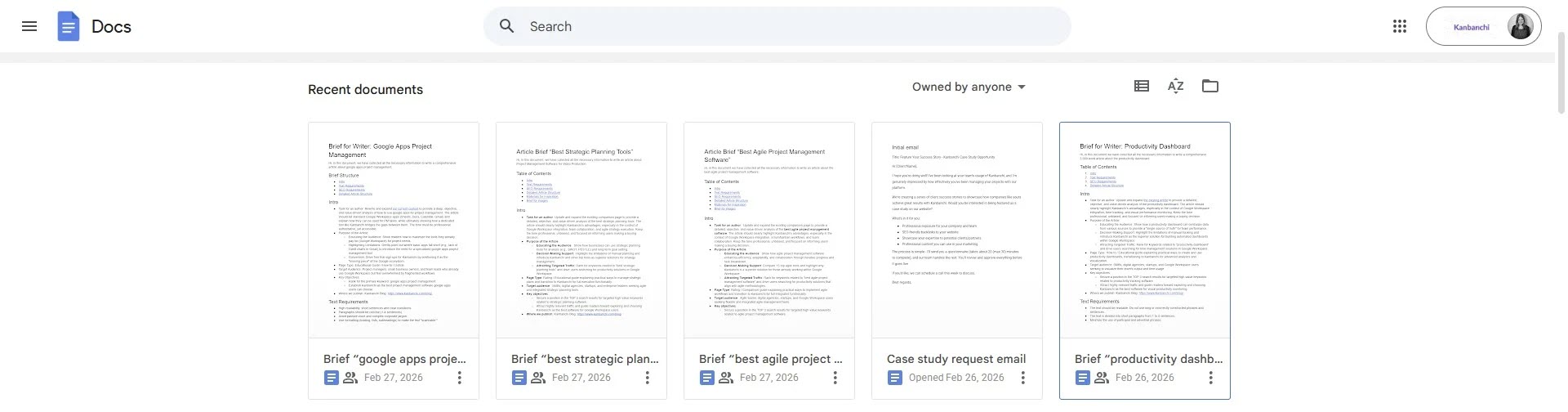
Document your processes with Google Docs, then link them to your project management app.
The power and simplicity of Gmail have made it easily the world’s number one email service. In the project management world, it’s critical that the service as an inbox can be expanded into new areas. To prevent vital messages from getting lost in long email threads, teams often connect Gmail with dedicated PM add-ons to convert emails directly into actionable tasks.
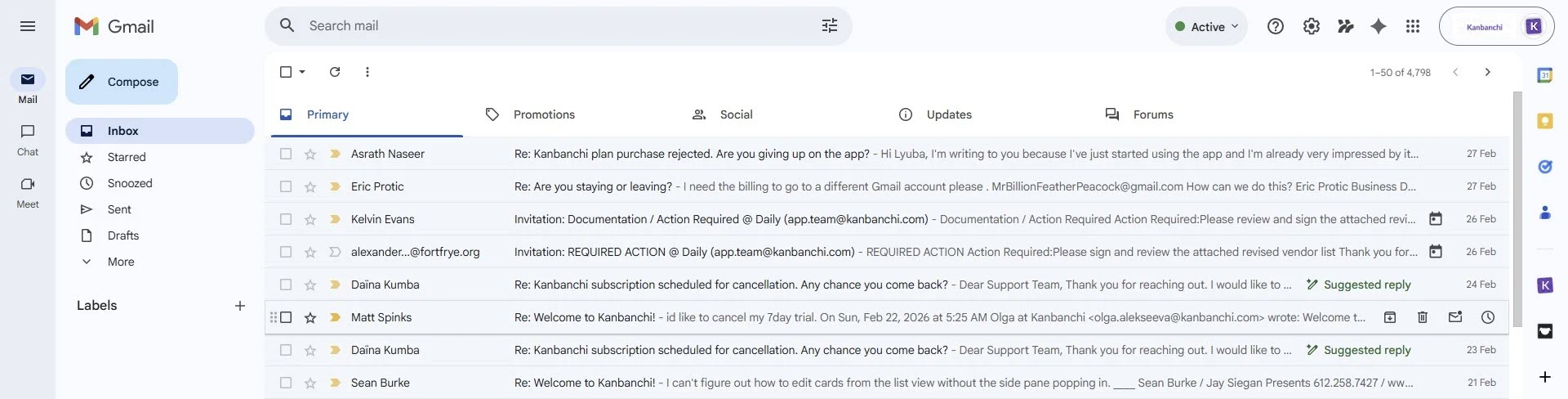
When you receive hundreds of emails every day, you don’t want anything important to be buried in the pile of other messages; that’s why it’s important to have the ability to convert emails to actionable tasks.
With remote work continuing to rise in 2026, Google Meet is a vital communication tool for team synchronization. Having regular Meet get-togethers ensures everyone is on the same page and that nobody feels left out. By combining this simple approach to video meetings with your digital PM tools, your status updates will be more productive.
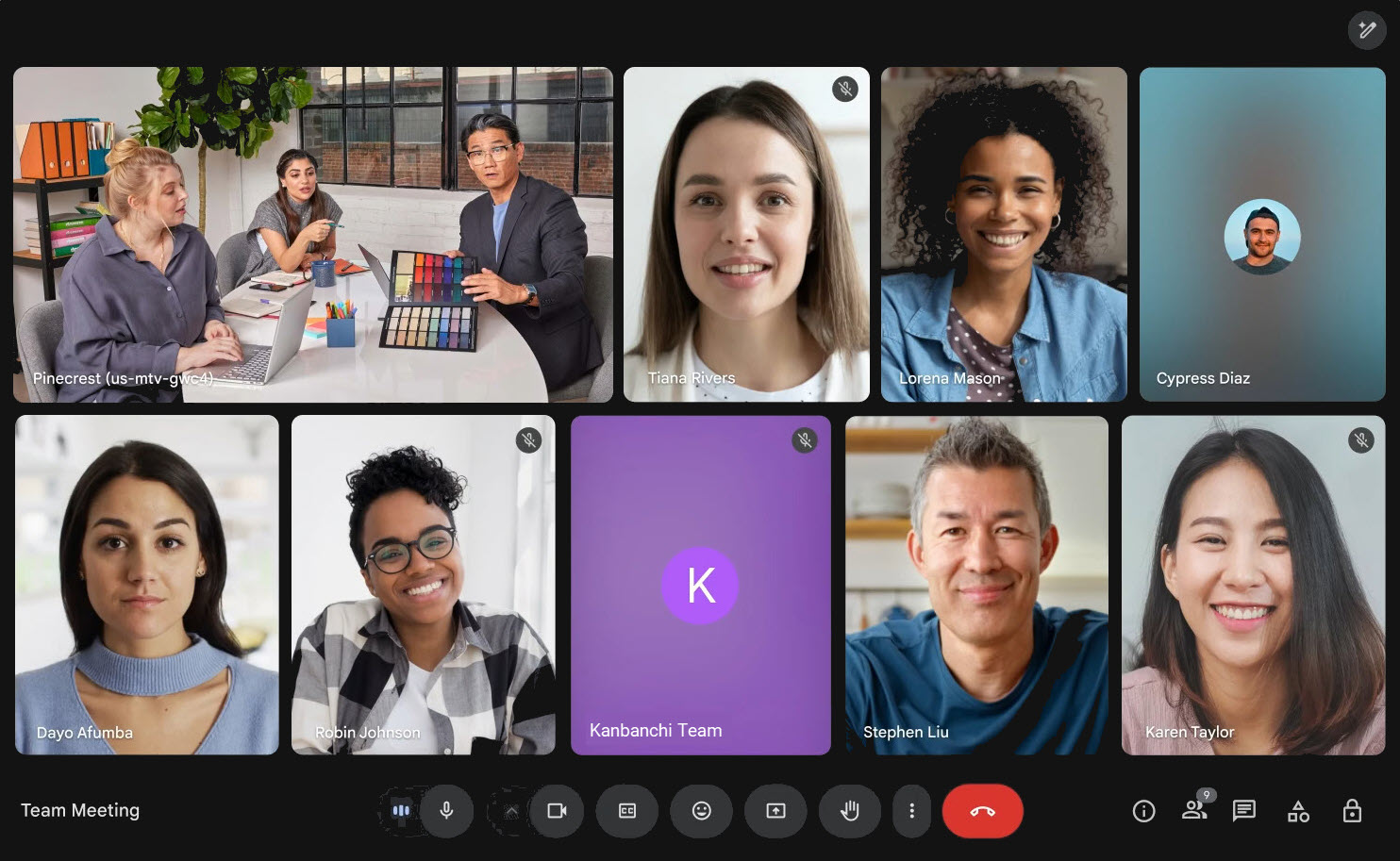
Editor’s note: I’ve also published several works in which I mentioned the power of asynchronous communication. Although I don’t advocate eliminating all video conferences and calls, and I do think Google Meet is a great tool, there are many cases where the task could be completed without hours of calls.
Google Drive is the single source of reliable information that you need, allowing everyone to share and search project files easily. Rather than simply seeing it as a folder in the cloud, you can view it as the place where your project architecture is securely organized. With enterprise-grade security and granular permissions, it’s an invaluable part of your document storage. Corporate Google Workspace also includes Shared Drives – the part of Google Drive that gives the ability to share files between teams and departments in one click.
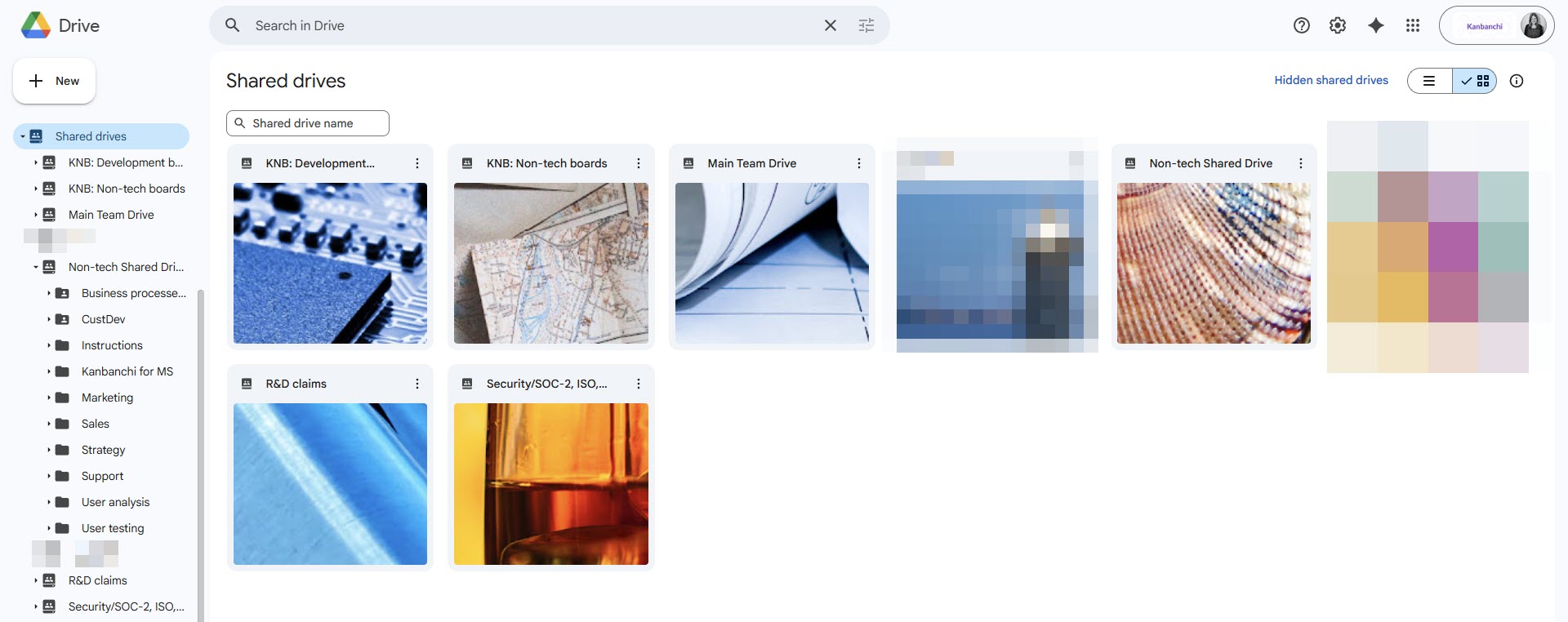
Google Drive acts as a secure repository for all your project files.
Communicating your plans to stakeholders is one of the trickiest aspects of any project. Google Slides gives you a convenient way to turn your data and ideas into a coherent presentation. Use it as a reporting layer that ensures there is no gap in the communication process.
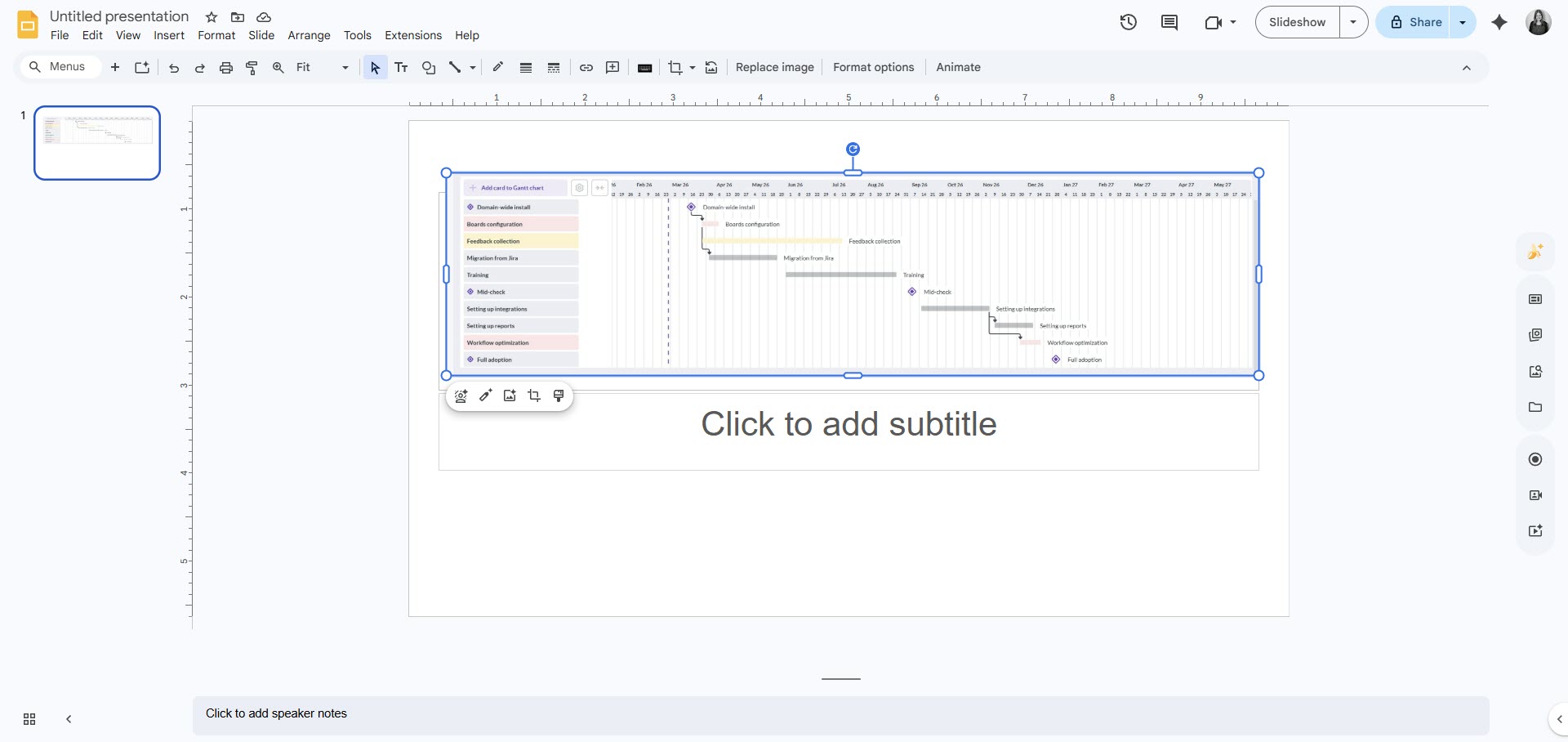
Easily export visual data from your connected project management apps directly into Google Slides to create perfect stakeholder presentations.
While Google Workspace provides an incredible foundation for your daily tasks, relying on it exclusively for complex project management often leads to a fragmented workflow. As your projects scale and involve more stakeholders, this DIY approach simply outgrows its usefulness.
Here are the main challenges teams face when using native Workspace apps without a unified system:
Teams ultimately need a dedicated space where all communications, documents, and timelines converge without requiring them to abandon the Google ecosystem they already trust.
To bridge the gap between Google’s powerful individual apps and the need for a cohesive project dashboard, you need a solution built natively for this ecosystem. Unlike third-party tools that simply allow you to attach a Drive file, Kanbanchi operates as if it were born right inside Google Workspace. It leverages your existing infrastructure, meaning there are no new passwords to remember, and it automatically inherits your organization’s enterprise-grade security and permissions.
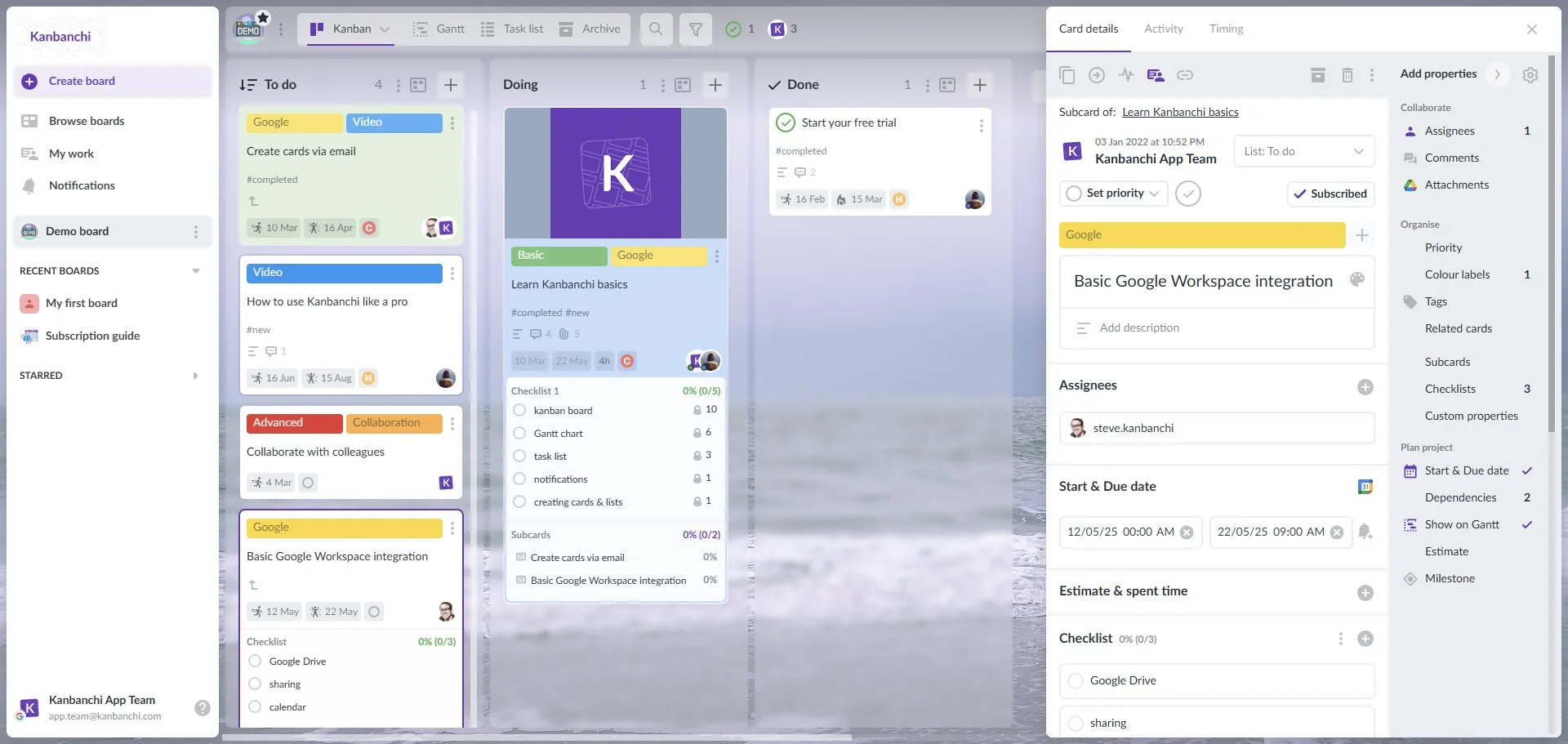
Project board in the form of a Kanban board created in Kanbanchi.
Kanbanchi is a project management platform that helps teams work more efficiently. Create tasks and assign them to any of your team members. Kanbanchi creates a visual pipeline for the upcoming tasks and maps them with their owners. And it’s fully integrated with Google Workspace, so you can link documents while managing your projects.
Create projects, assign tasks, share files, and communicate effortlessly with your entire team – all in one place! Organize projects of different sizes, priorities, and complexity in one digital workspace. Kanbanchi is a leading project management app. It helps you to gain control over your workload and optimize the workflow with your team. Acting as the connective tissue for your Google apps eliminates tool fatigue and keeps your team focused on execution.
Start a free Kanbanchi trial now
Setting up your workflow in Kanbanchi is incredibly intuitive because it mirrors the Google interface your team already uses daily. You start by creating a Kanbanchi board, which is saved directly into your Google Drive just like a standard Doc or Sheet. This means you can organize your project boards into your existing Drive folder hierarchies, instantly granting access to anyone who already has permission to view that folder.

Kanbanchi allows you to create project boards right within Google Drive; they act literally like files in your Drive, and follow under the security rules of your company.
Once your board is created, you can easily map out your project by turning milestones into actionable Kanban cards. From there, you can attach relevant Google Docs, Sheets, and Slides directly to the task cards, creating a centralized hub for all project assets. Because of the deep integration, you can even generate new Google files right from the task card itself, ensuring everything stays neatly tied to its specific phase of the project.
Finally, managing the day-to-day execution becomes seamless. You can enable Google Calendar synchronization so that every due date assigned in Kanbanchi automatically populates on your team’s shared calendar. Coupled with the Gmail add-on, which lets you convert incoming emails into task cards with a single click. Kanbanchi ensures your team can plan, track, and collaborate without ever losing the context of their work.
Try Kanbanchi for your team now
Yes, Google Workspace is an excellent starting point for creating your PM processes. However, to avoid app-switching fatigue and manual data entry, it makes sense to use a native integration tool like Kanbanchi that unifies apps like Docs, Sheets, and Calendar in one convenient place.
For most projects, the best starting point is in Google Docs, where you can outline the scope and share it with the stakeholders over Gmail. From there, you can list out tasks in Google Sheets or use Kanbanchi to map those milestones onto a visual Kanban board and Gantt chart.
Google does not have a dedicated project management suite out of the box. It offers powerful individual productivity apps like Google Tasks, Keep, and Sheets. But for professional features such as Kanban boards, Gantt charts, single source-of-truth task cards, and team time tracking, you need a specialized third-party app from the Google Workspace Marketplace.
The best app depends on your specific workflow needs, but for teams looking for the deepest and most natural integration, Kanbanchi is the premier choice. It is designed specifically for the Google ecosystem, meaning it lives in your Drive, uses your Google permissions, and syncs natively with Gmail and Calendar.

In this Article:
Start using Kanbanchi now
Start your free trial