
In this Article:
Try Kanbanchi now
Start your free trial

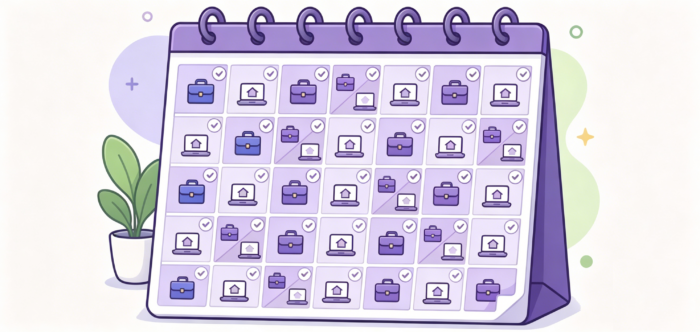
The biggest 2026 remote-work story is no longer whether teams are remote or hybrid – it is how managers are changing the way work gets coordinated. Many leaders are still stuck in old habits: wall-to-wall calls, fuzzy async rules, and productivity judged by green dots instead of real outcomes. You cannot run a 2026 team with 2016 playbooks. This article breaks down the new practices that actually work now: clear async guidelines, anchor days, smarter meeting cadence, and outcome-based metrics, grounded in fresh 2026 labor and workplace trend data.
In 2026, remote work is less about location and more about how managers coordinate distributed teams, with hybrid now the default and only a small share of firms expecting a full return to the office. The article argues that old habits like constant meetings, vague async expectations, and monitoring online presence no longer work; instead, teams should use clear async rules, shared task boards and decision logs, anchor days for collaboration, and a lighter meeting cadence that protects focus time. It also stresses that productivity should be measured by outcomes, cycle time, and quality rather than green dots or surveillance tools, since those erode trust without showing real value.
A 30-day rollout plan is included to cut status meetings, centralize updates, define response norms, and track a few practical team metrics so the new operating model actually sticks.
Hybrid is no longer an experiment. It is the default. A 2026 study of 800 UK firms found hybrid is the dominant model, with most companies keeping some mix of home and office time and only 13 percent expecting a full return to office long term.
That matches global trends: around 87 percent of companies now offer some remote option, and fully distributed teams keep growing year over year. Remote is not a perk anymore. It is basic infrastructure.
So what actually changed in 2026? The problem stopped being “where do people sit?” and turned into “how do we run this system without breaking it?”
Return-to-office policies exposed weak management. Many leaders tried to fix messy workflows with badge swipes instead of a better design. Research now shows the real gaps are:
If you manage a hybrid team in 2026, your real job is simple: design how work flows, not just where bodies are.
More articles from our experts about Remote Work here
Remote teams are not slow because they are remote. They are slow because they rely on office-era habits in a distributed team. Your new job is to design the operating system: async rules, anchor days, and a sane meeting rhythm.
Make async the default, sync the exception. Research on distributed teams shows that the best ones rely on written updates, clear SLAs, and agenda-led meetings rather than constant calls. Define, in one page:
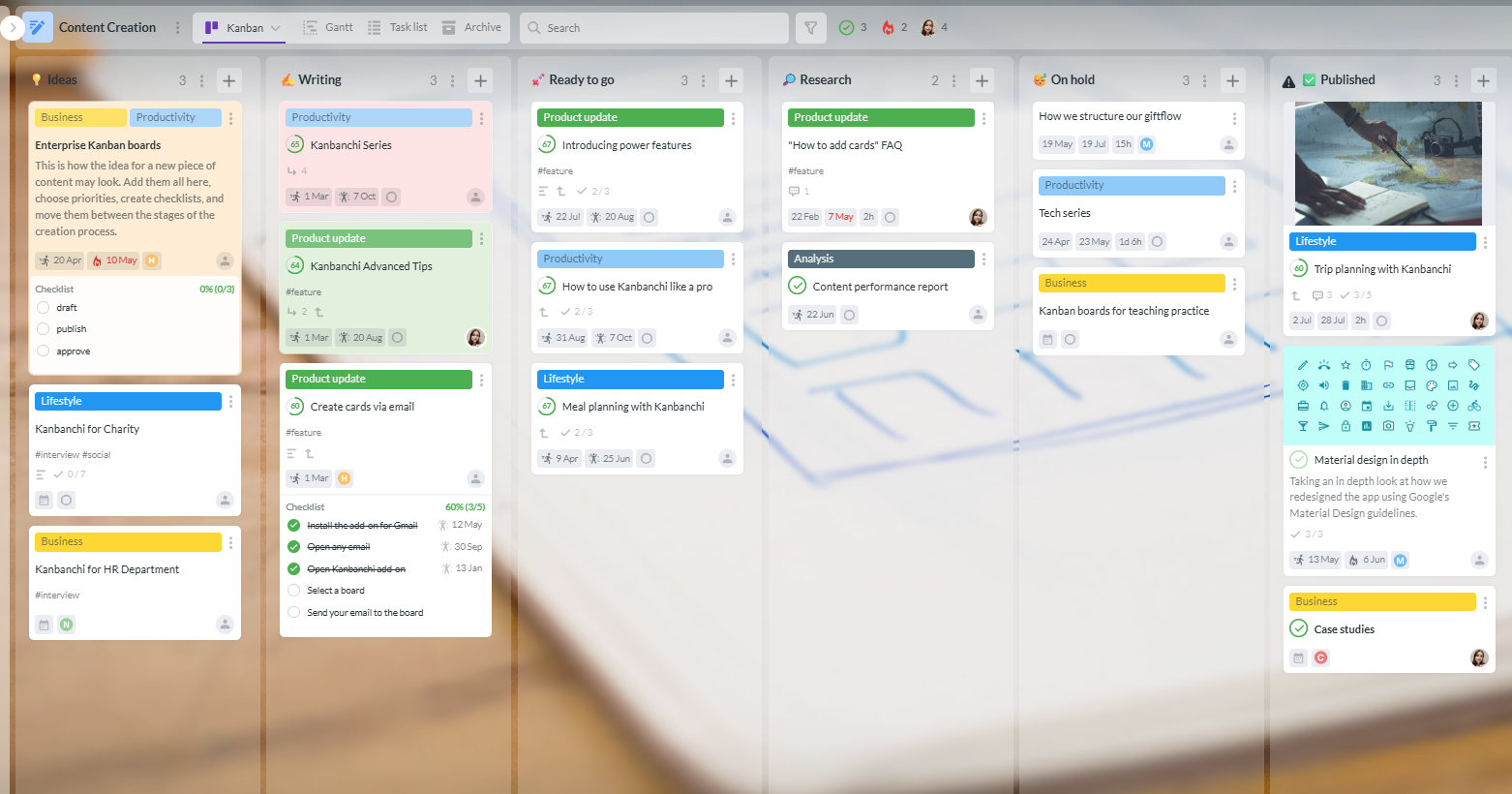
Use a Kanban board in Kanbanchi or a similar tool to keep updates, comments, and files in one place so that status lives in the tool, not in meetings.
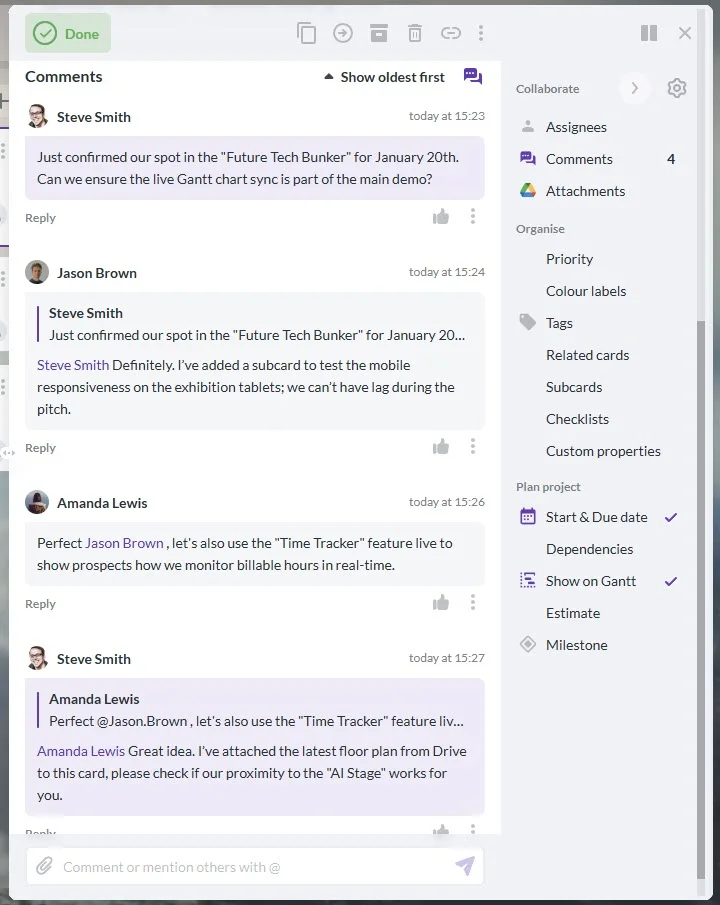
Stop dragging people into the office just to sit on Zoom. Purposeful hybrid design is a core theme in flexible work research cited. Pick 1 to 2 anchor days per sprint for:
Everything else stays remote or async. Cluster on-site work these days, so travel actually pays off, and nobody commutes for status updates.
Treat meetings like a budget. High-performing remote teams converge on under 3 hours of sync time per week for ICs, with a short weekly problem-solving call and async daily standups. Use this baseline:
Then block at least 3 hours of daily focus time with no meetings. Guard it like production.
Remote work breaks when you try to measure presence instead of progress. Move to a results-only mindset where success is defined by delivered outcomes, not hours online. Tie work to clear deliverables, owners, and deadlines visible in your board.
This reduces the need for check-ins, prevents micromanagement, and gives teams real autonomy. If someone is consistently hitting outcomes, how and when they work becomes far less relevant.
Ad hoc onboarding does not work in distributed teams. New hires need a clear, repeatable path to productivity without relying on constant calls. Build a lightweight system:
The goal is simple: a new hire should be able to get oriented and contribute within days, not weeks, without having to chase people for information.
You may also be interested:
Remote Work Task Management Checklist for New Hires
AI is quietly becoming part of the remote operating system. Use it to summarize meetings, draft updates, extract action items, and keep documentation up to date.
This is not about replacing people. It is about removing low-value coordination work, so your team spends more time thinking, building, and deciding instead of rewriting the same updates in five places.
Stop asking who was online longest. Start asking what actually shipped. Modern work made presence almost useless as a signal of output. Research on productivity now points to outcome and flow metrics, not keyboard activity or green dots on Slack, because those only show motion, not value created.
For knowledge teams, focus on a simple trio:
Use a Kanban board and shared OKR tracker so everyone sees progress by value delivered, not hours online.
Keystroke loggers and constant screenshots tank trust and raise attrition, and they still do not show real productivity. Instead, you can:
Cut status meetings by 30 percent. Move project updates into one Kanban board in Kanbanchi or a similar tool. Set clear rules:
Run a meeting audit. Cancel low-value sessions. Replace them with one focused weekly anchor day.
Pick three outcome metrics: delivery reliability, cycle time, and team load balance. Track them from your shared board and time tracker. Lock in team anchor days for deep work, collaboration, and admin. Review board data weekly, then adjust WIP limits, staffing, or meeting load. Document decisions in a shared log so changes actually stick.
Use this framework to update your team’s working norms this month, then read the guide on 2026 remote work trends for managers for the full market context. With Kanban boards, Gantt charts, and time tracking built into Google Workspace, Kanbanchi makes async, hybrid team management actually workable for busy leaders.
Start a free trial of Kanbanchi today
Every quarter at a minimum. Remote norms and tools shift quickly, so schedule recurring reviews of meetings, async rules, and workloads. Use a meeting audit template and shared decision log to update how you work, not just what you work on.
Remote work in 2026 is really management work. Async rules, anchor days, and lean meetings define healthy teams, while outcomes and quality, not screen time, decide who actually performs.

In this Article:
Start using Kanbanchi now
Start your free trial