
In this Article:
Try Kanbanchi now
Start your free trial


Think back to the last time a project of yours stalled. Was it a lack of talent or budget? Likely not. More often, the culprit is a breakdown in communication. I’ve learned that knowing how to communicate effectively in the workplace (whether in an actual office or a virtual space for remote teams) is the most vital skill for any professional.
Between constant Slack pings and Google Meet or Zoom marathons, it’s easy to mistake “talking” for actual clarity. I believe that team communication about work is a key to effective collaboration, yet many teams still struggle with missed deadlines and stress caused by vague exchanges.
In this guide, I will share my C-level insights from Kanbanchi to help you master the art of the exchange. I will explore:
Whether you are aligning a remote team or sharpening your own professional edge, it is time to cut through the chatter and start communicating with purpose.
Workplace communication isn’t just talking to each other in a meeting or sending multiple emails. It’s a whole skillset with different pillars. Let’s look at these now:
This is the most obvious: the words we say. Whether it’s a meeting, a team brainstorming session, or a quick desk-side chat, verbal communication is best for project discussions that require immediate feedback. There are two principles:
Did you know that 55% of human communication is nonverbal? Even when you aren’t speaking, you’re communicating.
In the age of remote work, this is the pillar we use most.
Because written words lack tone and body language, they are the easiest to misunderstand.
To master these pillars, every piece of communication you send, whether a speech or an email, should pass the Three Cs test:
1. Clear. Is the main point obvious? If the reader has to guess what you want, you haven’t been direct enough.
2. Concise. Respect people’s time. If you can say it in three sentences, don’t use ten.
3. Consistent. Does this message align with previous instructions? Mixed signals create analysis paralysis for your team.
The pillar you choose should depend on the complexity of the message. Complex or Sensitive: Go Verbal (Video call or in-person). Routine or Informational: Go Written (Messenger, Kanbanchi board, Email, etc.)
By choosing the right pillar for the right moment, you ensure your message isn’t just heard, it’s understood.
Check out more of our productivity blogs here.
If you want to know how to communicate more effectively in the workplace, you need actionable ideas. Here are eight strategies to transform your daily interactions from confusing to crystal clear.
Most people don’t listen; they just wait for their turn to talk. Active listening means giving 100% of your attention to the speaker.
| The Technique | The Benefit |
|---|---|
| Mirror their statement. Say, “So, if I understand correctly, you’re saying that the Q3 timeline is too tight because of the design bottleneck?” | It prevents “phantom agreements” in which both parties leave a meeting with different ideas about what was decided. |
Stop sending 50 messages for a 2-minute decision! Conversely, don’t call an emergency meeting for a status update that could have been a Kanban card comment.
| Message type | What to use |
|---|---|
| Quick and Routine | Kanbanchi or Chat |
| Complex or Sensitive | Video or In-person |
| Official and Permanent | Email or Documentation |
In a busy office, people skim. Don’t bury your request in the fifth paragraph.
The Drill: Start your message with the conclusion.
Example: “I need your approval on the attached budget by 5 pm today so we can book the venue. Here is the background info…”
If you want deep insights, stop asking “Yes/No” questions. They shut down dialogue.
Instead of: “Did you finish the report?”
Try: “What challenges did you run into while finishing the report?”
Why it works: It encourages the other person to share context you might have missed.
Even in a digital world, your presence matters. During a video call, look at the camera, not yourself. In person, keep your posture open.
Always be direct and future-oriented when you’re giving feedback to your team.
The Formula: State the observation + Explain the impact + Suggest a solution.
Example: “The last three reports had formatting errors. This makes us look unprofessional to the client. Let’s use a standardized template in Kanbanchi moving forward.”
In remote or hybrid teams, out of sight can mean out of sync.
The Strategy: Don’t assume people know what you’re working on. Update your status labels and leave brief comments on your progress.
The Result: You reduce the need for Status Check meetings because the information is already there.
Communication isn’t always about tasks. Sometimes it’s about connection.
The Habit: Spend the first 5 minutes of a meeting asking how people actually are.
The Payoff: Psychological safety. When people feel seen, they communicate more honestly when things go wrong.
Remember, the goal of communication isn’t just to send a message; it’s to ensure it is received. By applying these eight tips, you’re not just talking more; you’re connecting better.
You may also be interested in my other guide for remote teams:
How to Effectively Manage Remote Employees
Have you ever walked away from a conversation feeling like you and your colleague were speaking two different languages? You probably were (at least psychologically).
To communicate effectively in the workplace, you must recognize that everyone has a default communication style. These styles are often shaped by personality, past experiences, and stress levels.
| Style | Example | Risk |
|---|---|---|
| Passive | This person avoids conflict at all costs. They might stay quiet in meetings, even if they have a great idea, or say “yes” to a deadline they know they can’t hit. | Hidden resentment and project delays. |
| Aggressive | This style is characterized by “winning” the conversation. It involves talking over others, using “you” statements (e.g., “You always mess this up”), and ignoring others’ feelings. | A toxic environment and a total shutdown of team creative input. |
| Passive-Aggressive | This is the most confusing style. The person appears passive on the surface but acts out their frustration indirectly, through sarcasm, “forgetting” tasks, or backhanded compliments. | Eroded trust and confusion across the board. |
| Assertive | Assertive communicators state their needs clearly and respectfully. They use “I” statements (e.g., “I feel overwhelmed with this new task; can we adjust the priority?”) and listen to others’ perspectives. | No real risk. This is the ultimate communication goal: the style we should all strive for. It balances your needs with the team’s needs. |
If you find yourself slipping into Passive or Aggressive habits, try these quick shifts:
When you understand your team’s styles, you can adapt. If someone is Passive ask them direct, open-ended questions to draw out their expertise. If someone is Aggressive set firm boundaries and stick to the facts of the project. By mastering these styles, you stop reacting and start communicating.
Even with the best intentions, communication can hit a wall. In a professional setting, these walls are often invisible, built over years of habit or by the fast pace of the job. To communicate effectively in the workplace, you must learn to spot these barriers before they cause a project to stall.
Every industry has its own language. Some terms save time among experts, but they can alienate new hires or cross-departmental colleagues.
Stress is the ultimate communication killer. When we are frustrated, our brains go into fight-or-flight mode. We stop listening and start defending.
We often listen through the lens of our own experiences. If a manager says, “We need to pick up the pace,” a confident employee might hear “Great, we’re doing well, but let’s push,” while an anxious employee might hear “You’re too slow and your job is at risk.”
In a remote or hybrid world, the lack of watercooler chats can lead to stalling. Without casual interaction, messages can feel cold or overly demanding.
Identifying a barrier is 90% of the battle. Once you realize that jargon or stress is blocking the message, you can consciously choose to simplify, breathe, or clarify.
Even the best communicators fall short when they spend too much time using tools for asking questions. If your workplace communication consists of hunting through interminable emails or messaging coworkers on three different chat apps to locate a file, you’re wasting far too much time.
To truly master effective communication in the workplace, you need a single space that fits everyone. For many teams living in Google Workspace or Microsoft 365, Kanbanchi has become that space.
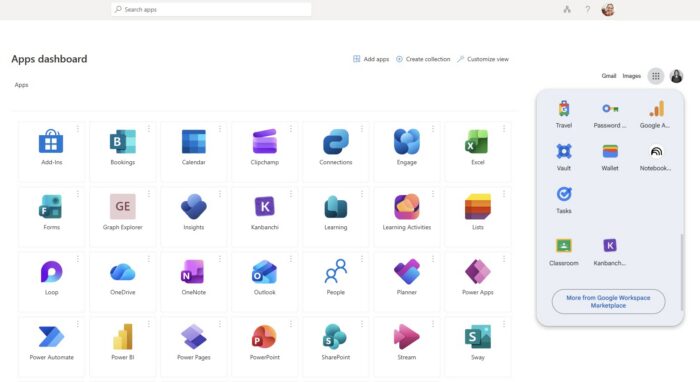
The biggest barrier to clarity is noise. When you move a discussion from an inbox to a Kanbanchi Card, you instantly add context.
We don’t all work at the same time anymore. Effective communication means leaving a trail that others can follow when you aren’t there.
Sometimes, the best communication is no talking at all.
Because Kanbanchi integrates deeply with Google Drive and Google Calendar, you no longer lose information in the gaps between apps. You can attach a Brief directly from Drive to a card, ensuring the written communication and the action are physically linked.
Similarly, Kanbanchi can be tied to your team’s SharePoint in the Microsoft environment, and you can convert any email in your Outlook into a Kanbanchi card.
By using Kanbanchi, you aren’t just managing tasks; you are building a transparent communication ecosystem where nothing gets lost, and everyone stays aligned.
Ready to ring the changes in office chats? That’s great. You can start exploring the options that I’ve mentioned and many others right now.
Start a free trial with Kanbanchi today
I’ll end our roundup of this topic by covering some of the most commonly asked queries about the subject. Have questions about Kanbanchi? Get in touch with our team, and we can chat with you about how Kanbanchi can assist.
The four main types are
The fastest way to improve is to practice Active Listening. Instead of preparing your rebuttal while someone else speaks, focus entirely on their message and repeat back a summary to ensure you’ve understood them correctly.
This rule suggests that communication is 7% spoken words, 38% tone of voice, and 55% body language. In a digital workplace, this is why video calls or clear written context in Kanbanchi are essential to prevent the tone-deaf misunderstanding of text-only messages.
Be Assertive, not aggressive. Use “I” statements to explain the impact of a situation (e.g., “I feel concerned when deadlines shift”) rather than “You” statements that trigger defensiveness.

In this Article:
Start using Kanbanchi now
Start your free trial